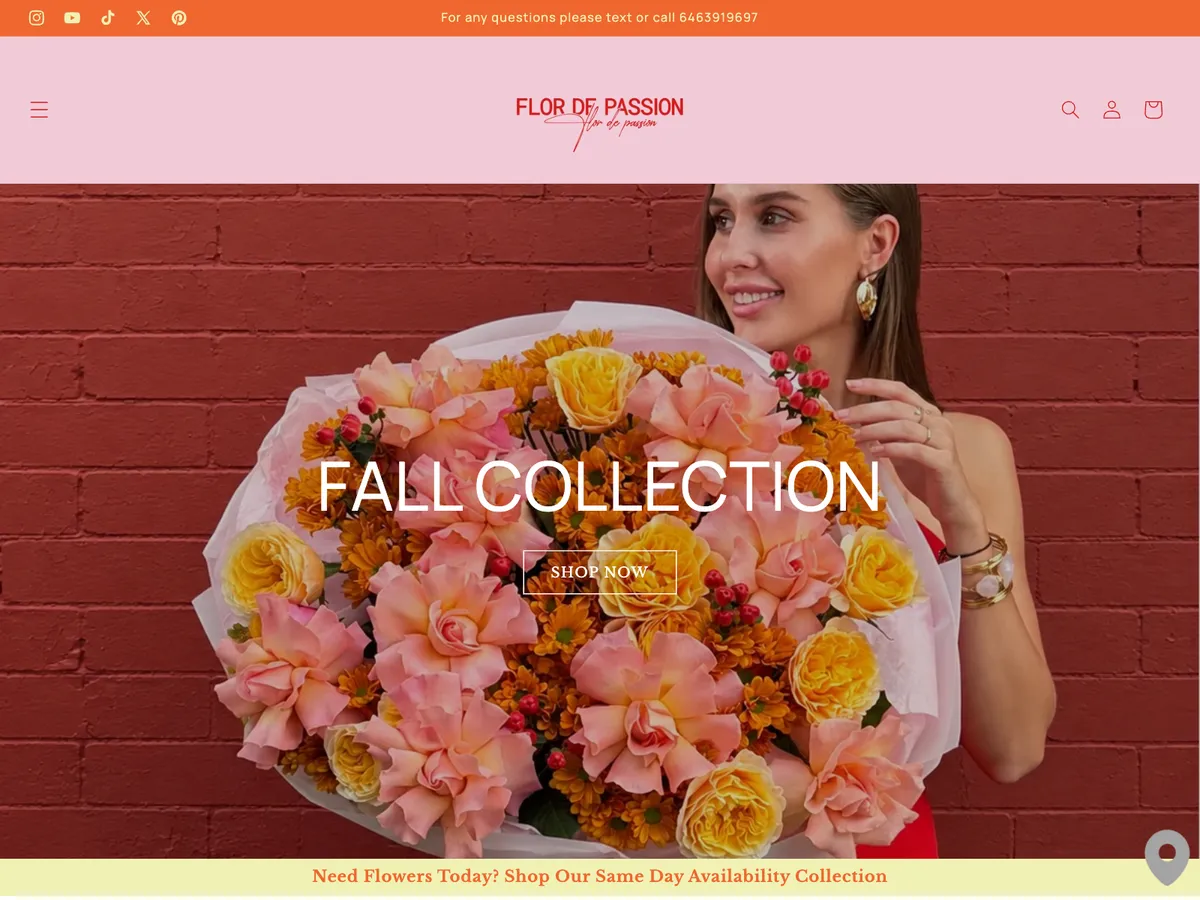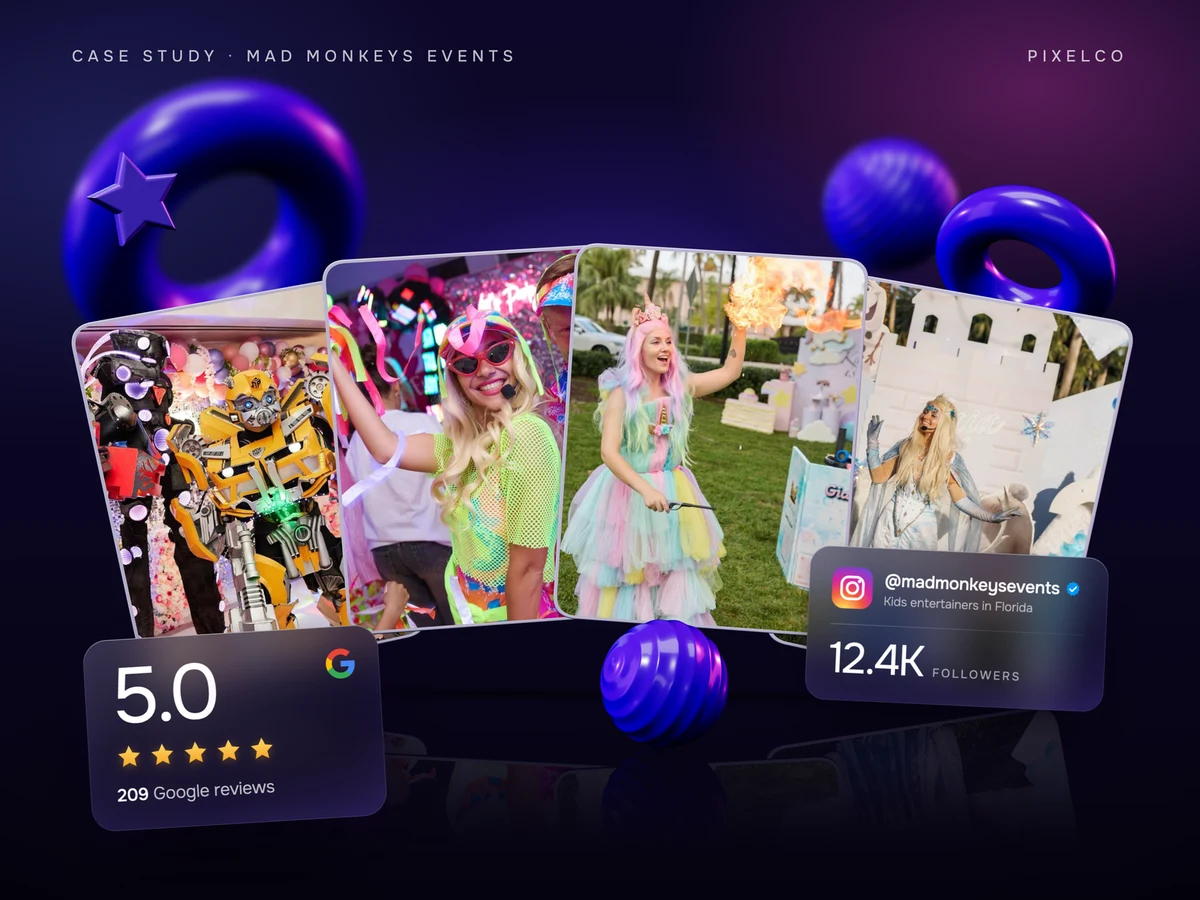
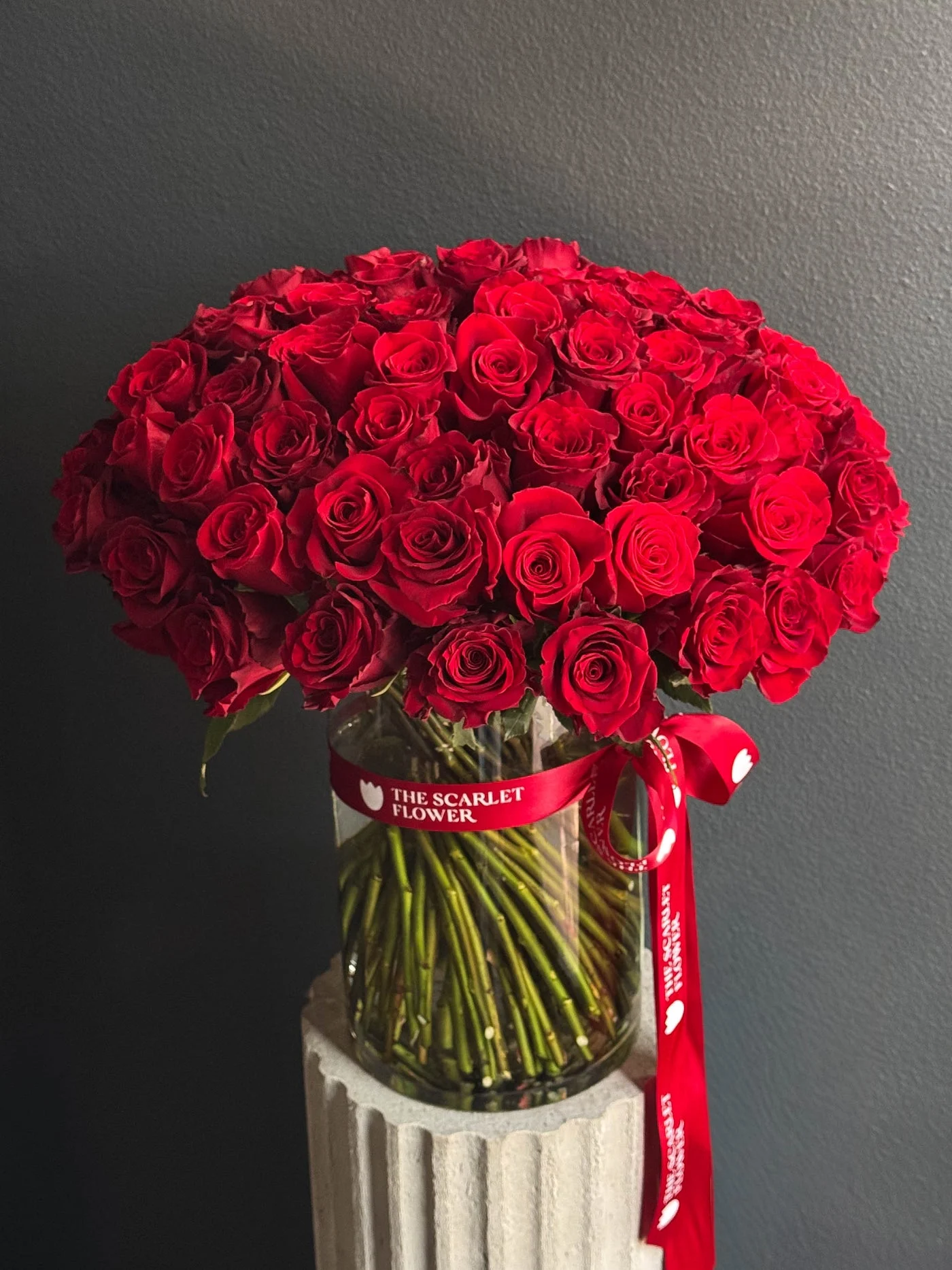
A flower shop lives by its calendar. Mother’s Day and Valentine’s Day can make the year, and the quiet summer months can quietly eat the profit. To sell bouquets every month, a florist needs three things working together: ads that reach buyers, a site that ranks on its own, and a store that makes ordering effortless.
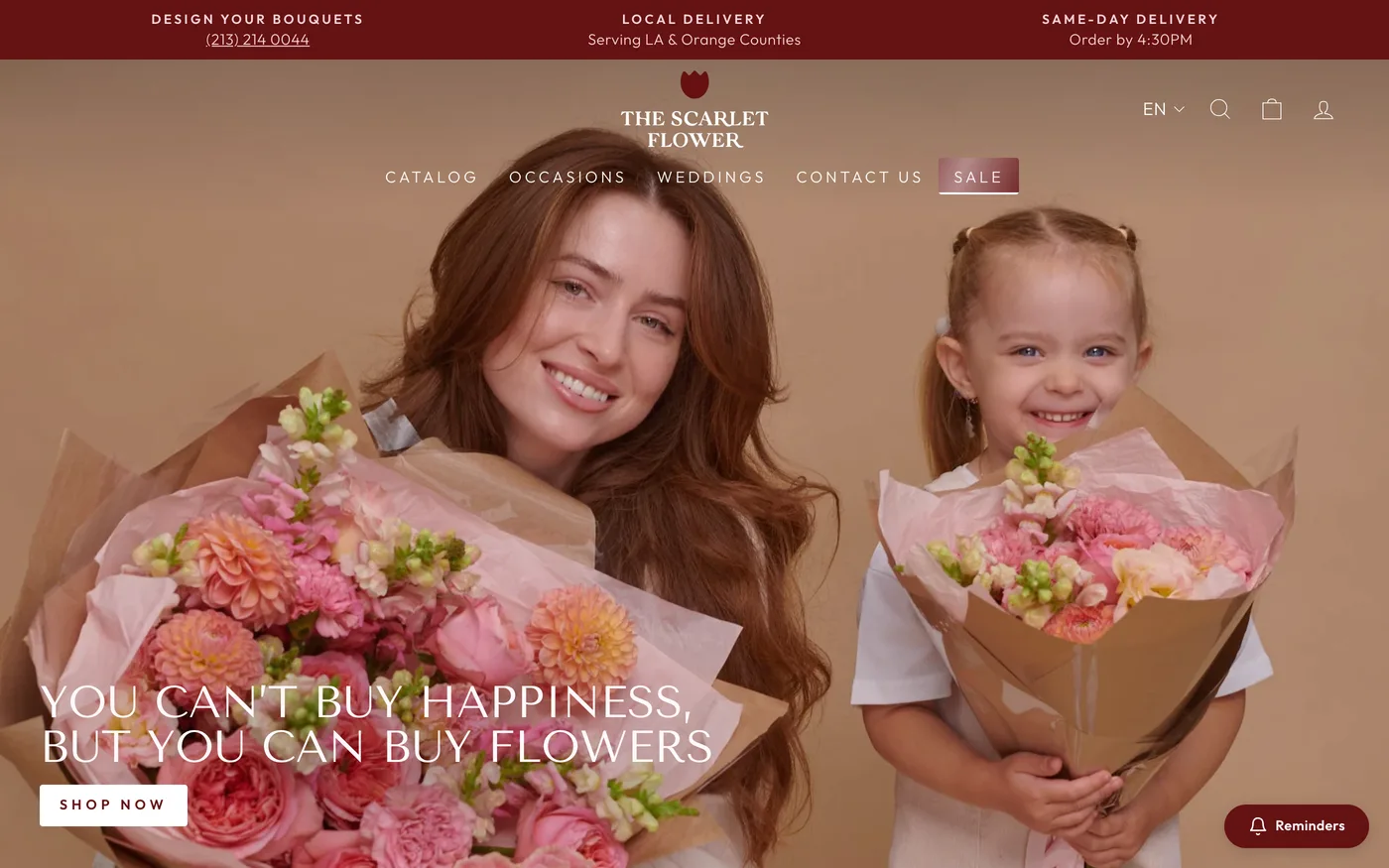
Pixelco has run Google Ads, SEO and website improvements for The Scarlet Flower, a Los Angeles florist with same-day delivery across LA and Orange counties since April 2026. We took the project over from another team and rebuilt it from the ground up. This is what changed, compared with the same months a year earlier.
Luxury flower delivery in Los Angeles. Shopify store, same-day delivery across LA and Orange counties, and a local storefront. thescarletflower.com ↗

Results at a glance (May–September 2026 vs. May–September 2025):
- Revenue from Google up 2.2×: ads and organic search together brought $69,898 vs. $31,932
- July–September: twice the orders from ads on the same budget: 79 vs. 40, with ad revenue up 2.4×
- Visitors buy 1.7× more often after the store improvements
- 77% more people heading to the shop from ads, plus 82 phone calls straight from ads
- Mother’s Day: the same ad revenue on half the budget
Where we started: spring 2026
When we took over in April 2026, the shop was spending on ads but selling little online. In the summer of 2025 the ads returned less than they cost: in July, every $1 of spend brought back $0.52 in orders. Organic search brought only about 8 orders a month. The problems were in the foundation:
- Bidding learned from the wrong signals. The account counted contact events as conversions: 660 of them in April 2025 alone, against 9 real orders. Google’s bidding chased cheap “conversions” instead of buyers.
- One mixed setup for very different goals. Online orders, store visits and brand searches competed for the same budget, so it was impossible to see what each one brought.
- Traffic that would never buy. Searches for plants, nurseries, artificial flowers and wholesale, plus areas outside the delivery zone.
- A store that made buyers work. Too many steps between choosing a bouquet and paying, and nothing to add to an order without going back to the catalog.
What we did: Google Ads
1. Rebuilt the account around four clear jobs. On April 15 we launched a new structure: a Performance Max campaign for online product sales, a Search campaign built on the keywords that had historically brought orders, a local campaign for visits to the shop, and a separate brand campaign so brand searches are protected and counted apart.
2. Made purchases the main goal. We tested every conversion and rebuilt the list of priority goals. Orders from the online store became the signal Google’s bidding learns from. Calls and store directions are tracked as their own goals, so the shop sees every way ads bring customers.
3. Cleaned the traffic every week. Weekly search-term reviews and growing negative keyword lists cut plants, nurseries, artificial flowers, wholesale buyers, competitor brands and irrelevant locations. Ad clicks fell by 25%; orders from ads grew by 35%.
4. Matched targeting to the real delivery zone. We aligned the targeting radius with the area the shop actually delivers to and added searches for Long Beach, Orange County and Anaheim, where the demand was confirmed.

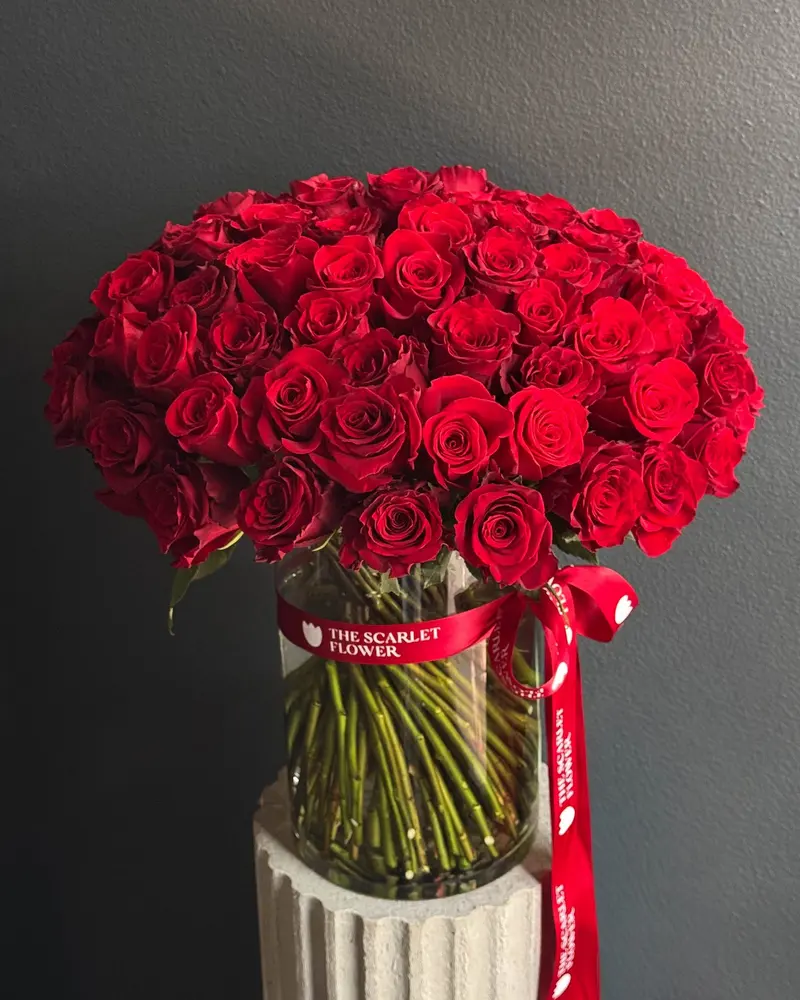

5. Gave the best sellers their own ad groups. Peonies, roses and large rose bouquets got dedicated ad groups with their own keywords, plus groups for local “florist near me” searches. Each product type now gets ads that match exactly what people search for.
6. Planned for the holidays. A dedicated Mother’s Day push in May, a Halloween collection in October, seasonal promotions checked in both the store and Merchant Center, and the daily budget raised before the strong season, not after it started.
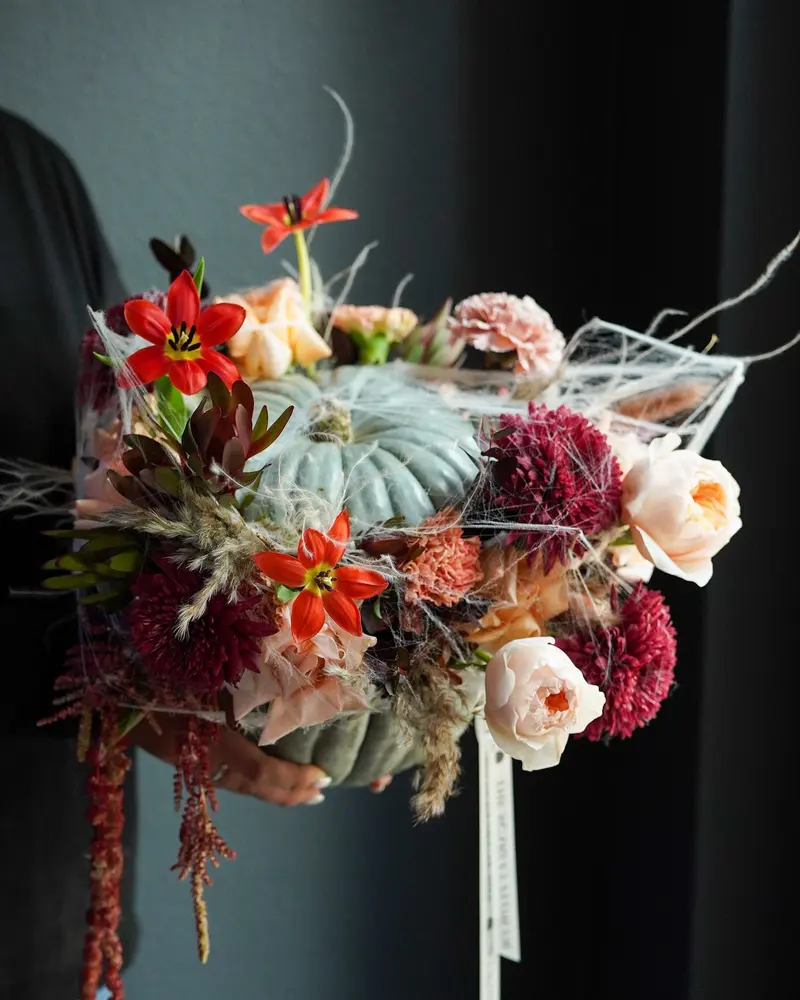
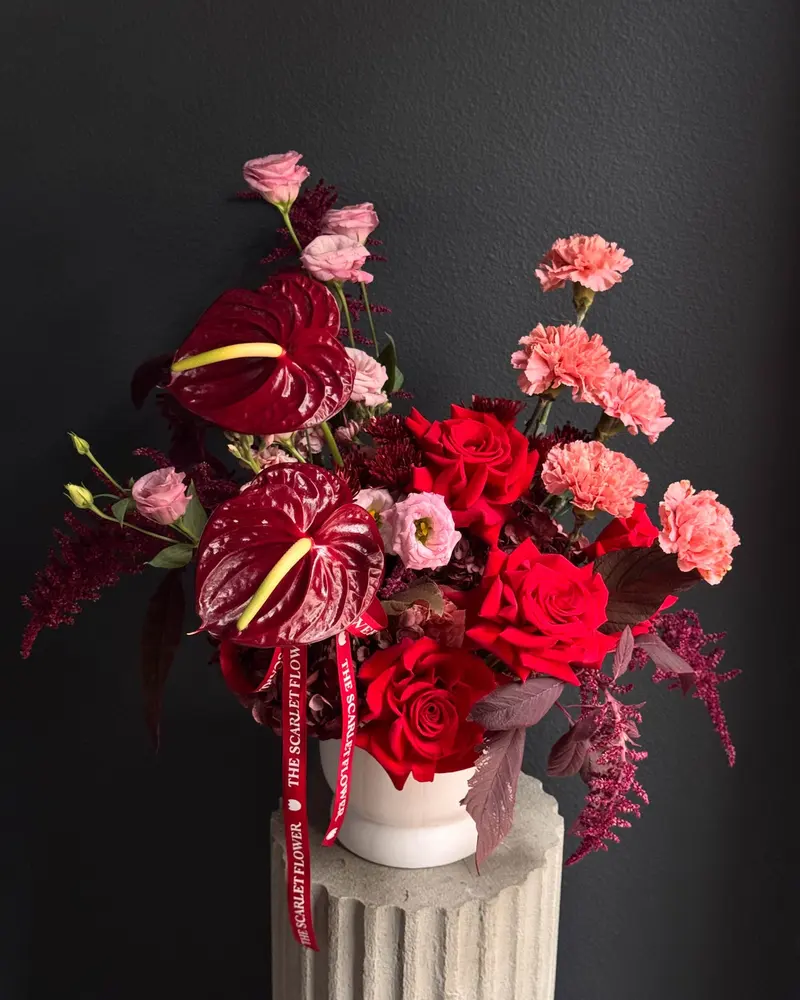
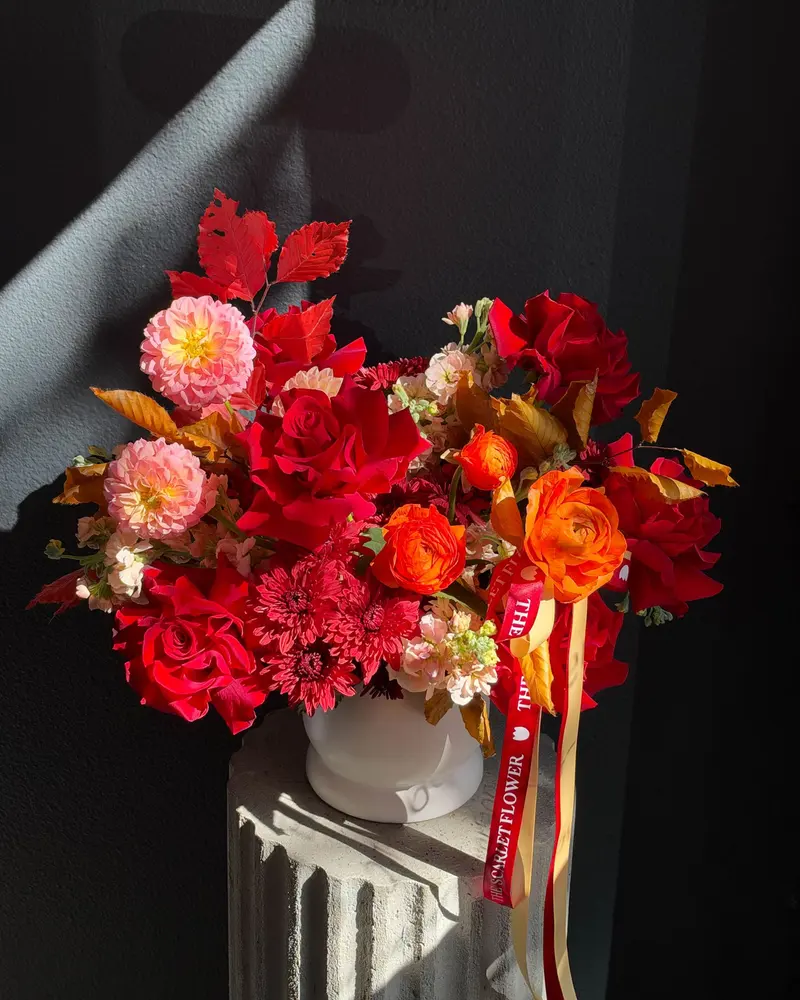
7. Managed bids and budgets by the numbers. Target ROAS and budgets between Search and Shopping were adjusted step by step, based on what each campaign actually sold. When a Merchant Center issue briefly hit Shopping ads in August, we moved the budget within hours and restored the setup once it was fixed.
What we did: the store
Ads bring people to the site; the site decides whether they buy. So we worked on the store as hard as on the ads.
- A cleaner, easier interface. Clearer product pages, delivery details and prices where buyers look for them, and a layout that works as well on a phone as on a laptop.
- A shorter path to purchase. Fewer steps from choosing a bouquet to paying, so a gift ordered in a hurry doesn’t get abandoned halfway.
- One-click add-ons. Balloons, vases, greeting cards and small gifts can now be added to an order with one click, right from the product page.
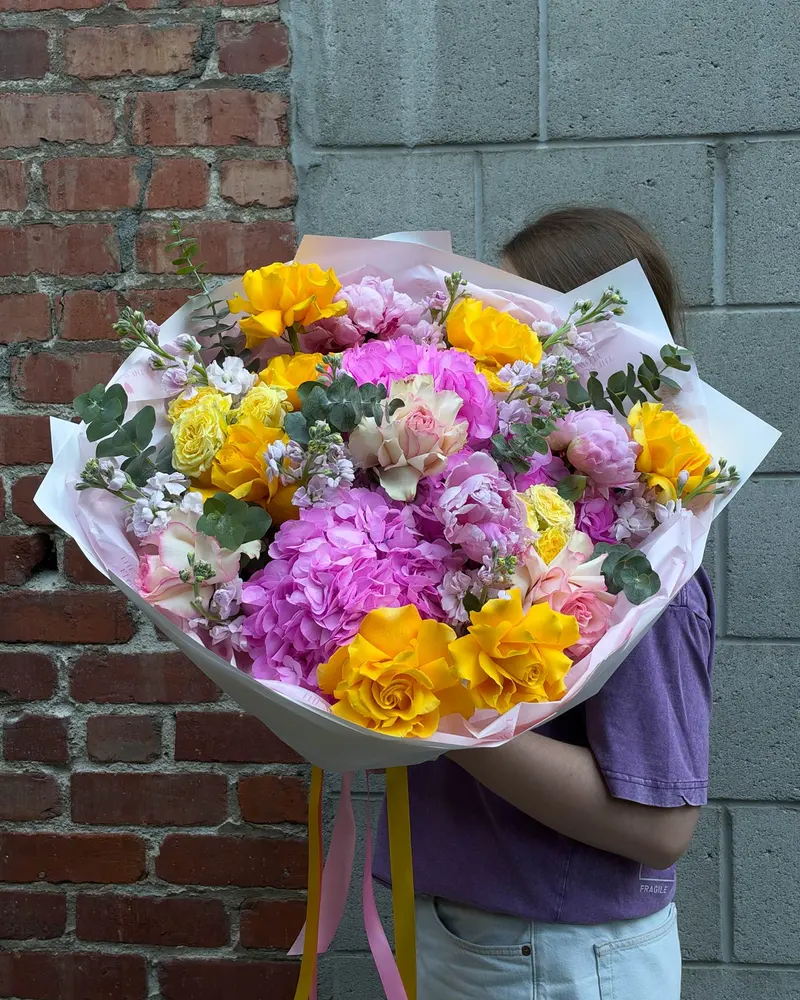


The result shows in the numbers: the share of ad visitors who buy rose from 1.8% to 3.1%, and the average order from Google ads grew from $211 to $223.
What we did: SEO
Paid ads stop the day the budget stops. SEO builds a flow of orders the shop doesn’t pay per click for. We started in April by rewriting the site’s pages and content, and in the summer added link building to grow the store’s authority in Google.
- Pages built around how people search for flowers in LA. We rewrote the home page, categories, products and articles and optimized them for local delivery searches across Los Angeles, Long Beach and Orange County.
- Content that answers buyers’ questions. Same-day delivery cutoffs, delivery areas, what happens if the recipient isn’t home, and how to keep flowers fresh in the LA heat: the questions people ask before they order.
- A technically healthy site that Google can crawl and index easily.
- Link building. From the summer, quality backlinks from relevant sites raise the store’s authority, so its pages climb higher for competitive searches like flower delivery in Los Angeles.
Organic search went from about 8 orders a month to 34, and from the store’s smallest channel to its biggest: in May–September 2026 it brought more revenue than the ads did.
The results: year over year
| Channel | Orders, 2025 | Orders, 2026 | Revenue, 2025 | Revenue, 2026 | Growth |
|---|---|---|---|---|---|
| Google organic search (SEO) | 42 | 169 | $7,840 | $35,606 | 4.5× |
| Google Ads | 114 | 154 | $24,092 | $34,292 | +42% |
| All channels | 206 | 519 | $41,568 | $97,102 | 2.3× |
Google Ads: more sales for less money, May–September
| Metric | 2025 | 2026 | Change |
|---|---|---|---|
| Revenue from ads | $24,092 | $34,292 | +42% |
| Orders from ads | 114 | 154 | +35% |
| Ad spend | $19,893 | $15,888 | −20% |
| Return per $1 of ads | $1.21 | $2.16 | +78% |
| Orders per 100 ad visitors | 1.8 | 3.1 | 1.7× |
| Store direction requests (June–September) | 248 | 440 | +77% |
July–September: twice the orders on the same budget
| Month | Orders, 2025 → 2026 | Revenue, 2025 → 2026 | Growth |
|---|---|---|---|
| July | 11 → 24 | $1,922 → $5,465 | 2.8× |
| August | 13 → 24 | $2,544 → $5,757 | 2.3× |
| September | 16 → 31 | $3,152 → $6,758 | 2.1× |
| July–September | 40 → 79 | $7,617 → $17,980 | 2.4× |
Mother’s Day, the biggest season of spring: in May 2026 the ads brought $12,198 in online orders on $3,086 of spend. A year earlier, about the same revenue cost $6,231. Half the budget, the same result.
Orders and revenue = online purchases recorded in Google Analytics 4. Store directions = requests from ads counted in Google Ads.
The summer gap, closed
In 2025 the summer months were the weak spot: from July to September the ads brought back $0.74 for every $1 spent. In 2026 the same three months returned $1.82 per $1, on almost the same budget, while organic search added orders the shop paid nothing per click for.
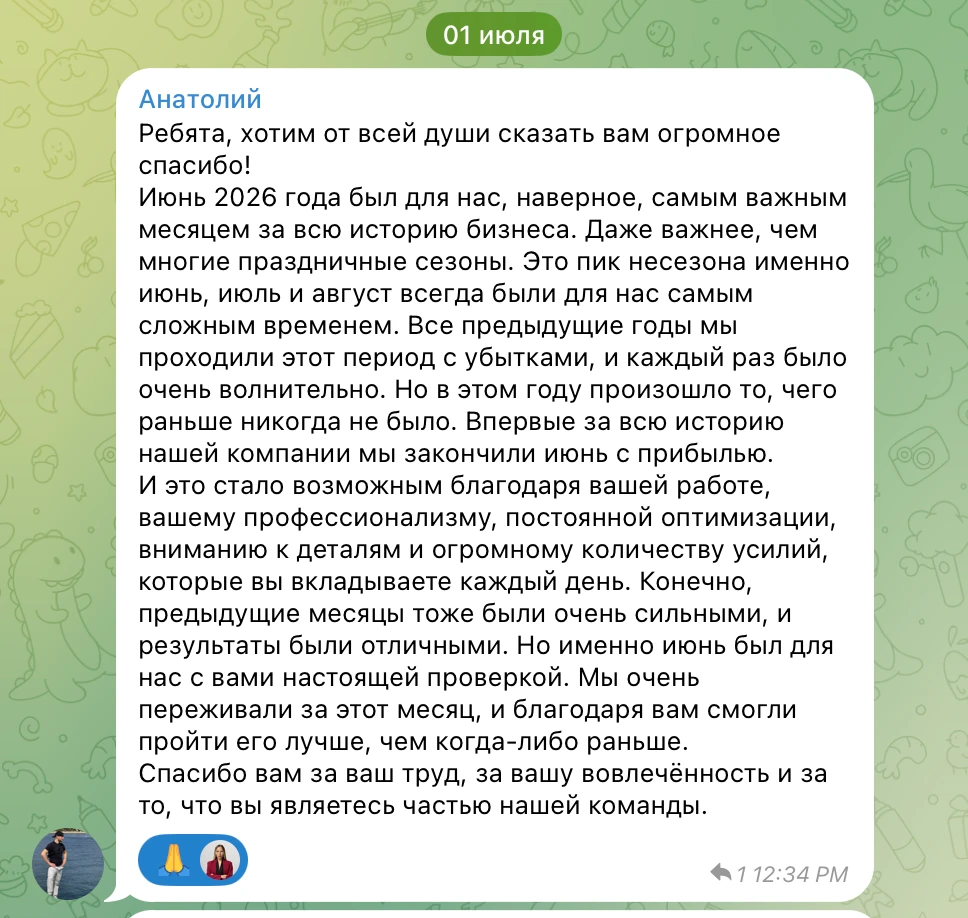 Original message, in Russian
Guys, we want to thank you from the bottom of our hearts!
June 2026 was probably the most important month in the history of our business, even more important than many holiday seasons. June, July and August have always been our hardest time, the peak of the off-season. Every year before, we got through this period at a loss, and every time it was nerve-racking. But this year something happened that had never happened before. For the first time in our company's history, we finished June with a profit.
That became possible thanks to your work, your professionalism, constant optimization, attention to detail and the enormous effort you put in every day. Of course, the previous months were very strong too, and the results were excellent. But June was the real test for us and for you. We were very worried about this month, and thanks to you we got through it better than ever before.
Thank you for your work, your dedication, and for being part of our team.
What worked: 5 lessons for flower shops
- Teach Google to find buyers, not visitors. If contacts, page views or taps count as conversions, bidding will chase them. Make the online order the main goal.
- The store sells, the ads only bring people in. A shorter checkout and one-click add-ons turned the same traffic into more and bigger orders.
- Grow a channel you don’t pay per click for. SEO took organic orders from 8 to 34 a month and now brings as much revenue as the ads.
- Advertise only where you deliver, and prepare for holidays early. Every click outside the delivery zone is wasted, and budget, feed and promotions must be ready before demand peaks.
- Judge by cost per order, not by clicks. Fewer, better clicks sold more bouquets.
Want more orders for your store?
Pixelco runs Google Ads, SEO and websites for e-commerce stores and local businesses across the US. Book a call and we’ll show you where your ads, your site and your search rankings are losing orders.
FAQ
How much should a flower shop spend on Google Ads?
This shop spends about $3,000–4,000 a month in the competitive Los Angeles market. From May to September 2026 that worked out to $103 per online order, with an average order of $223.
How long does it take to see results?
The new ad structure launched in mid-April. In the first full month, May, the shop matched the previous Mother's Day revenue on half the ad budget, and from July every month brought about twice the ad orders of a year earlier.
Do I need SEO if I already run ads?
Yes. Here organic search grew from the smallest channel to the biggest in one season, and every order from it costs nothing per click.
What should a florist track as a conversion?
Online purchases first. Calls and store directions are worth tracking as separate goals, so you see every way ads bring customers.